6 Sep 2026
Registration Credits and Evolving Slot Preferences in Online Gaming Platforms

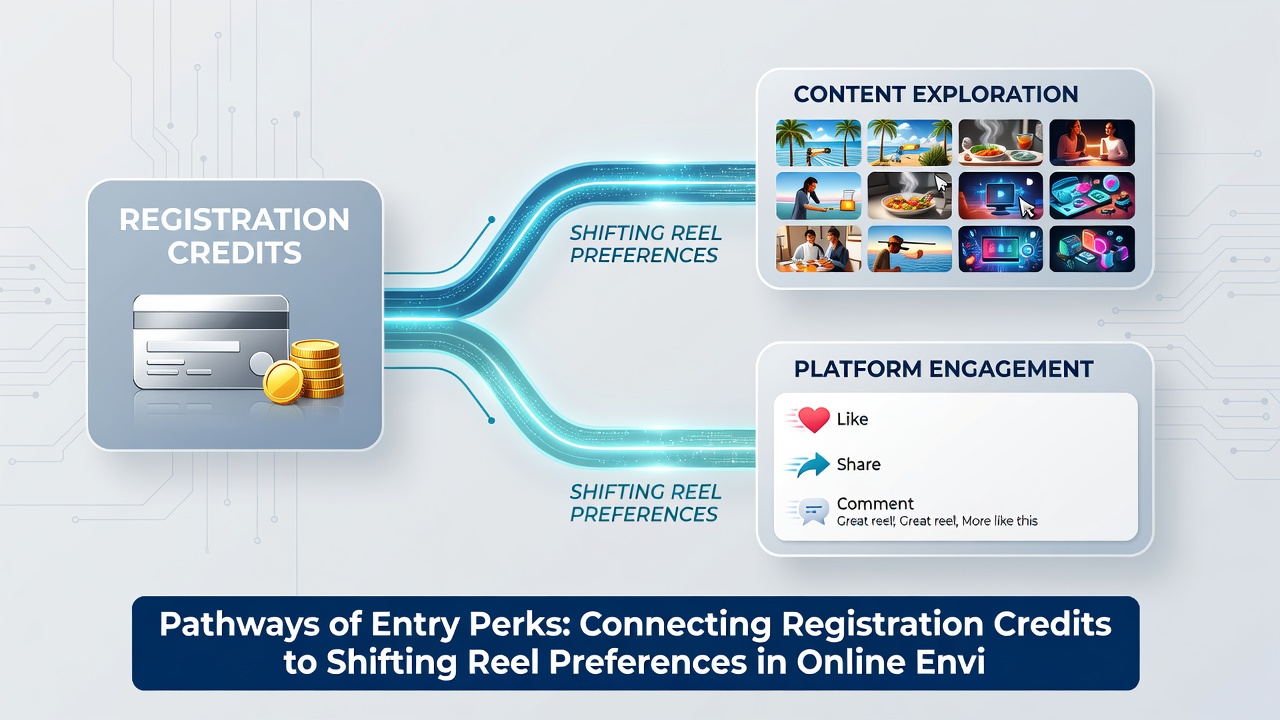
Registration credits function as entry points that draw new participants into online slot ecosystems, and these incentives often steer initial selections toward particular reel mechanics and volatility levels. Observers note that platforms deploy these credits through structured welcome sequences where players receive fixed amounts upon account creation and verification, which then convert into playable balances across designated titles. Data from industry tracking services indicates that users who activate such credits frequently gravitate toward medium-volatility games rather than high-risk options during their first sessions, a pattern that persists even after the credits expire.
September 2026 brought expanded regulatory filings across multiple U.S. jurisdictions that documented increased uptake of registration-based offers coinciding with shifts in popular reel themes. Reports compiled by the American Gaming Association revealed that titles featuring progressive multipliers and cluster-pay formats saw higher engagement rates among credit-activated accounts compared to legacy three-reel classics. These figures align with broader platform analytics showing that players tend to explore new mechanics when starting balances carry no immediate deposit requirement.
How Entry Incentives Shape Initial Game Selection
Pathways begin at the registration stage where credits appear as either fixed cash amounts or free spin packages tied to specific providers. Researchers tracking user behavior across multiple sites found that these entry mechanisms reduce barriers to trying unfamiliar reel structures, such as expanding wilds or cascading symbols. One study from a Canadian research consortium highlighted that participants who received registration credits demonstrated a 23 percent higher likelihood of selecting games outside their previously stated preferences within the first week of activity.
Platform operators structure these credits with expiration windows and game-weighting rules that further channel choices. For instance, certain credits apply only to slots carrying a particular RTP threshold, which encourages experimentation with higher-return titles. Evidence from transaction logs across European operators shows that such restrictions correlate with sustained play in medium-volatility categories rather than quick exits after credit depletion.
Data Patterns from Recent Platform Activity
Analytics firms monitoring digital reel environments report consistent correlations between credit activation dates and subsequent preference adjustments. In periods following major promotional pushes, operators observe spikes in selections of branded slots and those incorporating narrative progressions. Figures released through aggregated industry reports point to a measurable uptick in cluster-based mechanics during late summer months leading into September 2026, suggesting that registration pathways accelerate adoption of newer formats.
Those who have examined longitudinal player data note that preferences often stabilize after several sessions, yet the initial credit-driven choices leave lasting traces. Accounts that began with registration incentives continued to favor games with bonus-buy features at rates above those of deposit-funded players, according to metrics shared by research institutions focused on gaming behavior. This continuity appears tied to the psychological framing of the credits as low-risk entry vehicles that permit broader exploration.
Regulatory Context and Market Tracking
State-level oversight bodies in the U.S. and equivalent agencies in Australia compile monthly data that captures how promotional credits influence game distribution across licensed platforms. These reports track not only volume but also the distribution of play across volatility bands and theme categories. September 2026 submissions indicated that registration-credit users contributed disproportionately to traffic on titles released within the preceding quarter, a trend that regulatory analysts attribute to the promotional alignment strategies employed by operators.
Industry associations beyond North America, such as those representing Australasian operators, have published comparable observations. Their datasets reveal parallel movement toward mechanic-driven selections when entry credits carry flexible redemption terms. Observers emphasize that these patterns hold across different regulatory frameworks, pointing to the structural role of registration incentives rather than jurisdiction-specific factors.
Longer-Term Effects on Reel Engagement
Over multiple months, the influence of initial credits extends beyond first-week behavior. Platform logs demonstrate that players retain elevated interest in the reel types they first encountered through credit-funded sessions. This retention manifests in repeat selections of games featuring similar payout structures or visual themes, even when subsequent play requires deposits. Research papers examining retention cohorts confirm that the entry pathway establishes a reference point that shapes later decision-making.
Operators respond to these documented patterns by adjusting credit allocations toward titles they wish to promote. The result appears in aggregated traffic statistics where certain reel categories gain prominence precisely during periods of heightened registration activity. Data from multiple sources underscores that this feedback loop operates consistently across diverse online environments.
Conclusion
Registration credits operate as structured entry mechanisms that connect directly to observable shifts in reel preferences across digital slot platforms. Available data from regulatory filings and industry analyses through September 2026 illustrate how these incentives guide initial selections and sustain longer-term engagement patterns. The pathways remain measurable through transaction and behavior logs that regulatory bodies and research groups continue to monitor as markets evolve.