20 Sep 2026
Reward Dynamics: Mapping Incentive Layers to Reel Discovery Patterns in Virtual Gaming Spaces
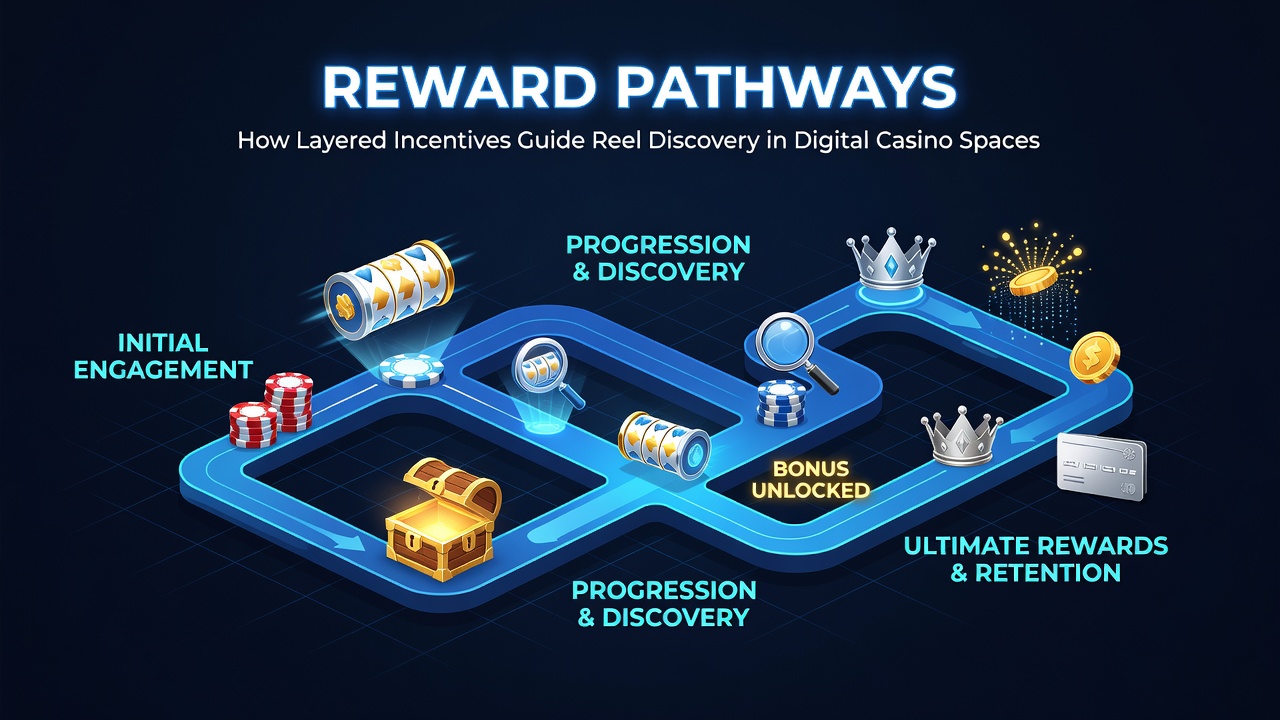
Digital casino platforms organize promotional structures in distinct layers that connect registration rewards, deposit matches, and free spin allocations directly to player navigation of slot libraries, and data from regulated markets shows these systems shape selection patterns over time. Operators deploy entry-level incentives such as no-deposit credits that unlock specific game categories, while subsequent tiers introduce free spins tied to particular mechanics like cascading reels or multiplier features, creating pathways that guide users toward titles they might not otherwise explore. September 2026 reports from several U.S. state gaming divisions recorded increased engagement with mid-tier slot releases following the rollout of stacked promotion sequences that combined welcome offers with ongoing loyalty multipliers.
Core Components of Layered Incentive Systems
Entry incentives typically activate upon account creation and direct initial play toward a curated selection of games, after which players encounter follow-up offers that require deposits or specific wagering thresholds to access higher-value rewards. These structures often segment slot titles by volatility levels or thematic clusters, so that a free spin bundle might emphasize games with bonus buy options while a separate credit package highlights progressive jackpot machines. Research from the University of Nevada's gaming analytics program indicates that players who complete the first two incentive layers demonstrate a 34 percent shift toward titles outside their initial preference categories within the first seven days of activity.
Platform algorithms track completion rates of each layer and adjust subsequent recommendations accordingly, which means a user who redeems spins on low-volatility games may receive targeted offers for medium-volatility releases in the next cycle. This feedback loop operates across multiple jurisdictions, including data shared between New Jersey's Division of Gaming Enforcement and Michigan's Gaming Control Board, where aggregated figures reveal consistent patterns in reel discovery tied to incentive sequencing rather than standalone game marketing.
Player Navigation Patterns Under Incentive Influence
Observers tracking session data note that players frequently begin with high-visibility jackpot slots promoted through initial bonuses, yet transition toward feature-rich video slots once additional spin packages become available. One documented case from a major operator's September 2026 analytics showed a cohort of new accounts moving from classic three-reel games to five-reel cluster-pays titles after unlocking a second-layer promotion that required only a modest deposit. The transition occurred within four sessions for 61 percent of that group, suggesting the incentive structure itself functions as a discovery mechanism.
Geographic variations appear in how these layers perform, with Canadian provincial reports highlighting stronger uptake of mechanic-focused incentives compared to Australian market data that shows preference for jackpot-linked layers. In both regions the underlying architecture remains similar: each completed layer unlocks visibility into additional game mechanics or themes that were previously deprioritized in the platform interface.
Data Correlations Across Regulated Markets
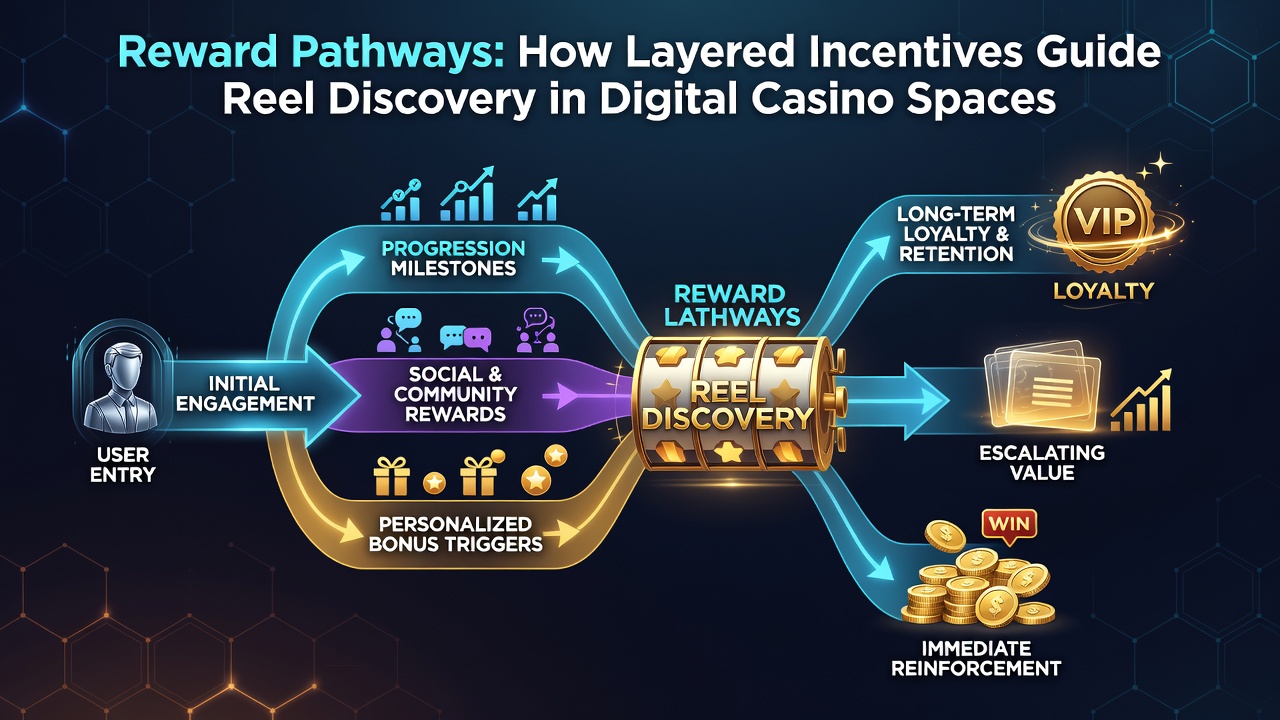
Figures released by the New Jersey Division of Gaming Enforcement for the first three quarters of 2026 demonstrate that platforms employing four or more distinct incentive layers recorded higher average game library exploration rates than those using single-tier promotions. The difference measured 22 percent in unique titles played per active account, with the largest gains occurring between the third and fourth layers where players gained access to exclusive free spin sets on newly released titles. Similar patterns surface in Ontario iGaming reports, where layered credit systems correlated with sustained engagement across a broader range of volatility profiles.
Academic analysis published through the International Gaming Institute further connects these incentive sequences to changes in session duration, noting that players who advance through multiple layers extend average play time by 18 minutes compared with those who engage only entry-level offers. The study examined anonymized data across European and North American operators, confirming that the sequencing of rewards, rather than the absolute value of any single bonus, drives the observed shifts in reel selection.
Conclusion
Layered incentive architectures continue to function as primary navigation tools within digital casino environments by linking successive reward tiers to expanding game discovery opportunities. Evidence from multiple regulatory sources and academic reviews establishes measurable connections between these structures and player movement across slot categories, with September 2026 data reinforcing the persistence of these patterns in regulated markets. As operators refine sequencing logic, the pathways created by combined registration rewards, deposit incentives, and targeted spin packages remain central to how users locate and engage with new reel content.